





Shoe Comfort 101: How to Choose Footwear That Feels Like a Hug for Your Feet
March 25, 2024
We’ve all been there: you slip on a pair of shoes that looks perfect—sleek, stylish, and on-trend—only to regret it an hour later. Your feet ache, your arches throb, and you find yourself counting down the minutes until you can kick them off. The truth is, when it comes to footwear, comfort should never be an afterthought. Whether you’re investing in custom shoes, upgrading your everyday sneakers, or choosing a pair for work, comfort is the foundation of a shoe you’ll actually wear—and love—for years. And while fit and design matter, the material you choose plays a pivotal role in how comfortable your shoes feel, day in and day out. Today, we’re breaking down everything you need to know about shoe comfort: how material impacts it, what features to look for, and how to find footwear that supports your feet, no matter where life takes you.
Let’s start with the basics: why is comfort so important? Beyond the obvious (no one likes sore feet!), uncomfortable shoes can have long-term consequences. Ill-fitting, unforgiving footwear can lead to blisters, corns, plantar fasciitis, and even knee or back pain—issues that only get worse with prolonged wear. On the flip side, comfortable shoes boost your confidence, keep you energized, and let you focus on your day instead of your feet. For custom shoe lovers, comfort is even more critical: when you’re investing in a pair made just for you, you deserve footwear that feels like it was crafted to cradle your feet, not just fit them. And it all starts with the material.
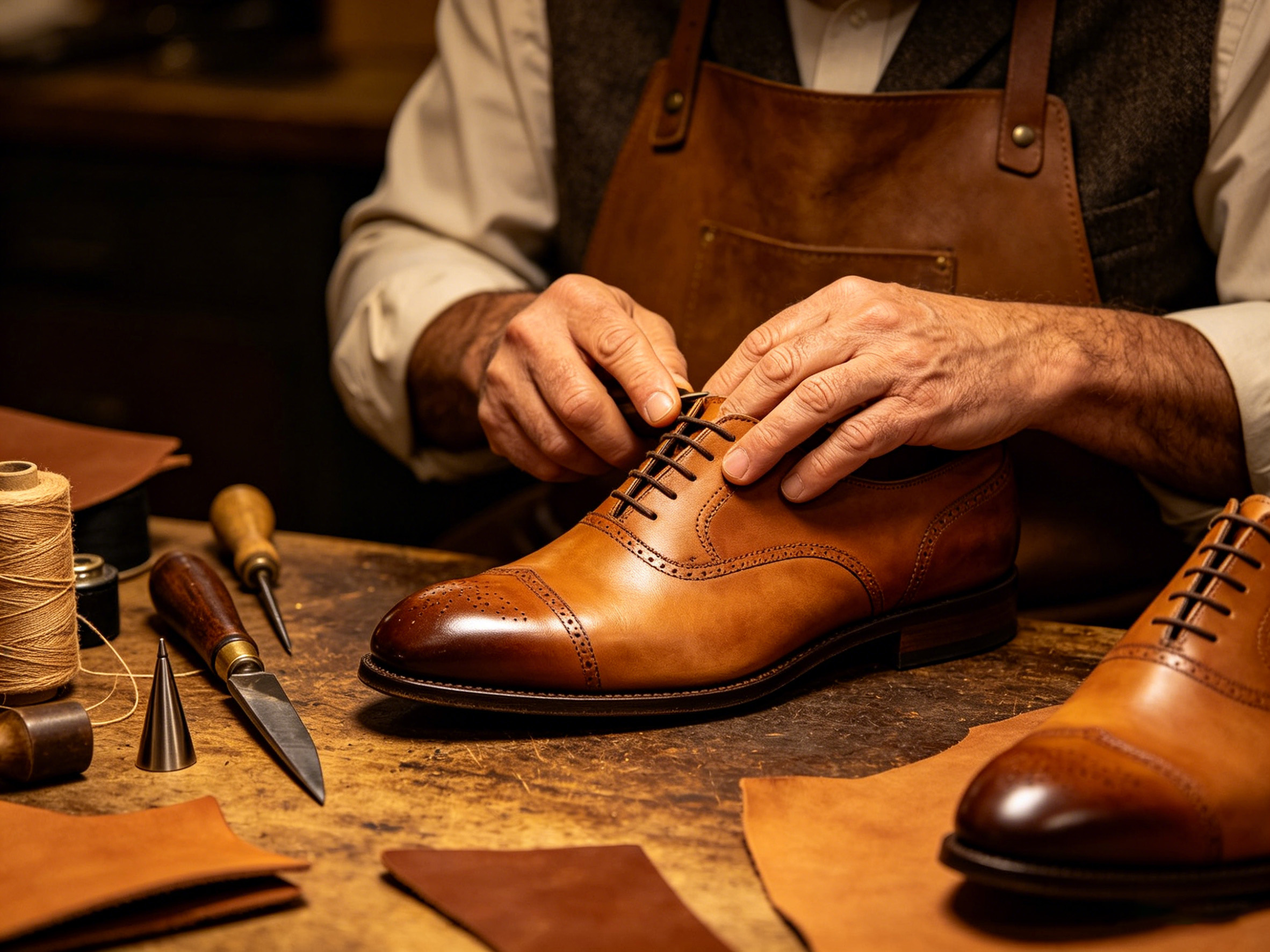
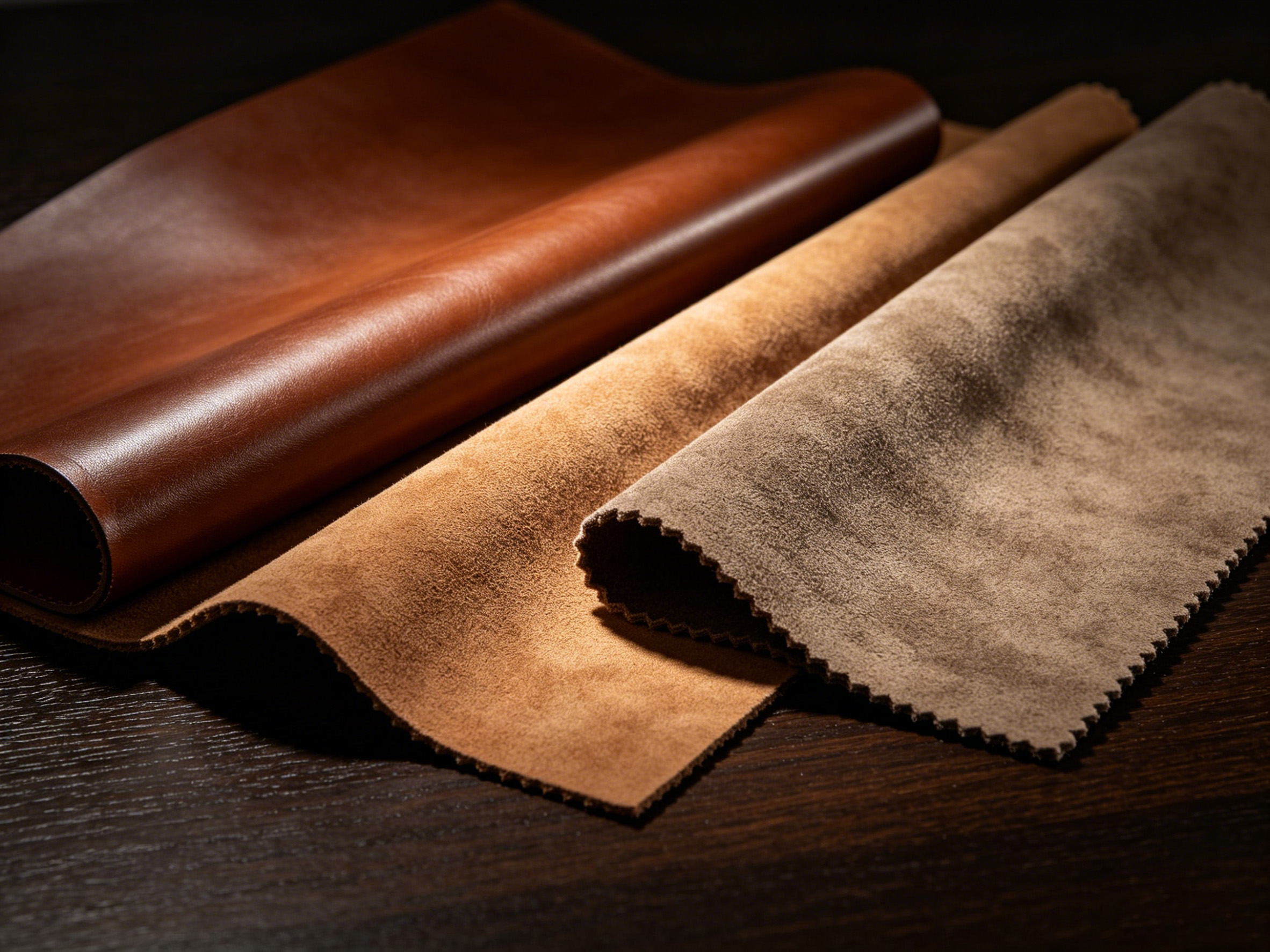
As we explored in our guide to shoe materials, not all fabrics are created equal when it comes to comfort. Let’s start with the gold standard: full-grain leather. This premium material isn’t just durable and stylish—it’s also incredibly comfortable, thanks to its natural breathability and flexibility. Full-grain leather is sourced from the top layer of the hide, retaining its natural pores, which wick away moisture and keep your feet dry, even during long days at the office or walks around the city. Unlike synthetic materials that trap sweat and feel stiff, full-grain leather softens and conforms to your feet over time, creating a custom fit that only gets better with wear. It’s the perfect choice for custom oxfords, loafers, or boots—footwear you’ll wear for hours on end—because it balances support and softness, ensuring your feet stay comfortable from morning meetings to evening dinners.
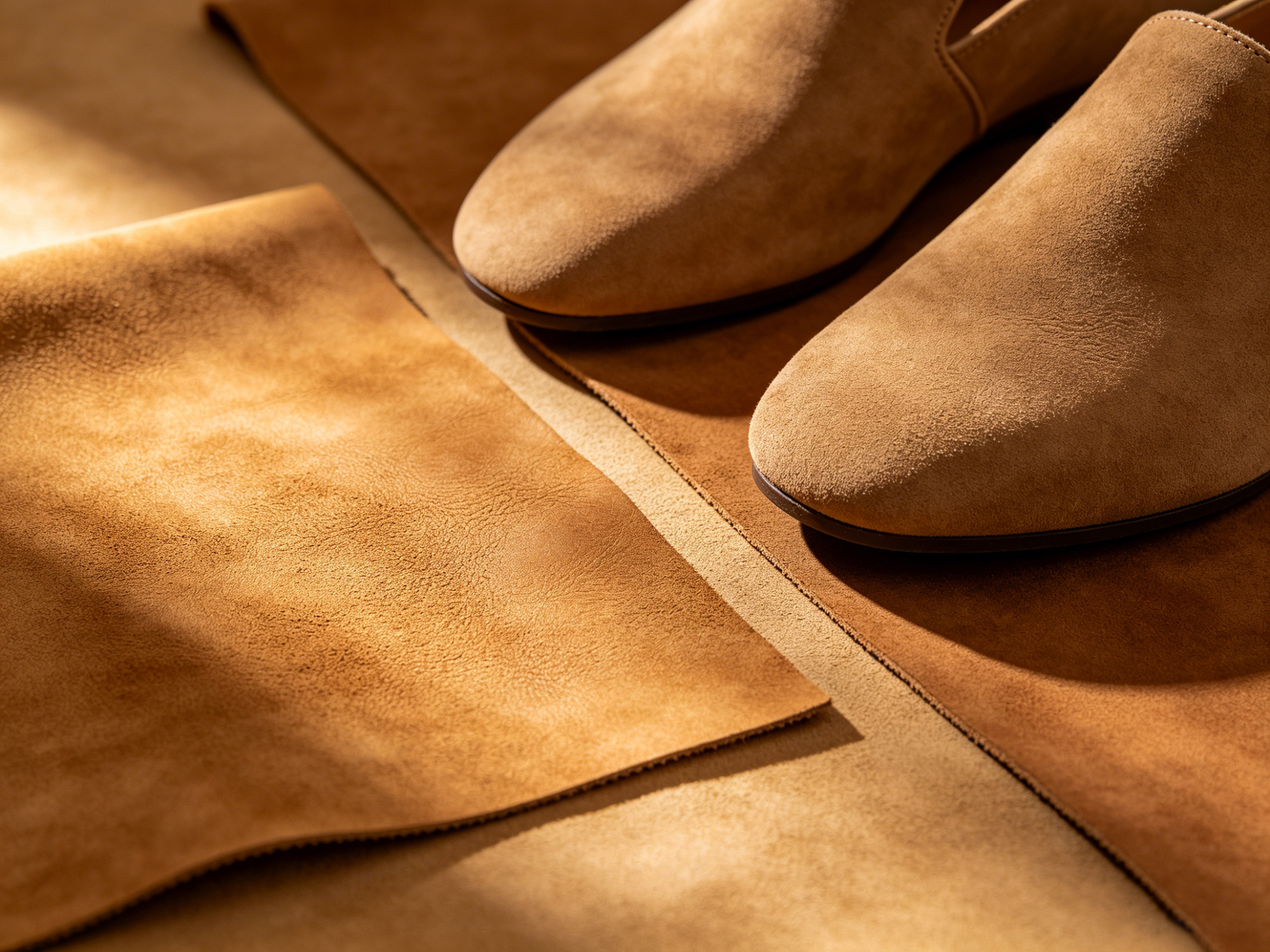
If softness is your top priority, suede and nubuck are unbeatable. These materials have a fuzzy, velvet-like texture that feels gentle against your skin, conforming to your feet almost immediately. Suede, made from the inner layer of the hide, is ultra-soft and lightweight, making it ideal for casual custom loafers or moccasins. Nubuck, sanded from the outer layer of the hide, offers the same softness with a slightly more durable finish. Both materials hug your feet without feeling restrictive, making them perfect for days when you want comfort without sacrificing style. Just remember: suede and nubuck are more delicate, so they’re best for dry-weather wear—but with proper care, they’ll keep your feet cozy for years.
For eco-conscious shoppers, recycled and plant-based materials are a fantastic comfort option, too. Modern recycled fabrics—like recycled polyester or organic cotton—are designed to be soft, lightweight, and breathable, making them perfect for custom sneakers, sandals, or casual boots. Vegan leather, crafted from plant-based materials like cactus, pineapple, or mushroom, is another great choice: it’s cruelty-free, lightweight, and often softer than traditional synthetic leather. These materials are ideal for warm weather or everyday wear, as they keep your feet cool and comfortable without weighing you down. The best part? You can feel good about your choice—sustainability and comfort don’t have to be mutually exclusive.
Of course, material isn’t the only factor in shoe comfort—fit and design play equally important roles. Even the softest, most breathable material won’t save a shoe that’s too tight, too loose, or poorly structured. For custom shoes, this means working with a shoemaker who takes precise measurements (including the width of your feet, arch height, and pressure points) to create a last that fits your feet perfectly. For off-the-rack shoes, look for features like padded insoles, arch support, and a flexible sole—details that reduce fatigue and keep your feet supported. Avoid shoes with rigid soles or narrow toe boxes, which can cramp your feet and cause discomfort over time.
Let’s talk about common comfort myths, too. Many people assume that “comfortable” means “sloppy” or “unstylish—but that couldn’t be further from the truth. Custom shoes are the perfect example: they’re tailored to your feet for maximum comfort, but they’re also designed to reflect your style, whether you prefer polished office wear or casual weekend looks. Another myth? That breaking in shoes has to be painful. While some materials (like full-grain leather) do soften over time, you shouldn’t have to endure blisters or soreness to get a comfortable fit. If a shoe hurts right out of the box, it’s a sign that it’s not the right fit—even if it’s made from a premium material.
When choosing comfortable footwear, it’s also important to consider your lifestyle. If you’re on your feet all day (think teachers, nurses, or frequent walkers), prioritize materials that offer support and breathability—full-grain leather or durable recycled fabrics with arch support. If you spend most days in an office, a pair of custom full-grain leather oxfords with a padded insole will keep you comfortable and polished. For warm weather, lightweight vegan leather sandals or recycled fabric sneakers are your best bet. The key is to choose footwear that aligns with how you live—because comfort should adapt to your day, not the other way around.
At the end of the day, comfortable shoes are an investment in your well-being. They’re not just a luxury—they’re a necessity for anyone who wants to move through the world without foot pain, feel confident in their style, and get the most out of their footwear. Whether you’re designing a custom pair or shopping for off-the-rack shoes, remember: the best shoe is one that feels like it was made for you—soft, supportive, and comfortable enough to wear all day long.
So, the next time you’re shopping for shoes, don’t just look at the design—ask yourself: how does it feel? Does it hug my feet, or does it pinch? Is it breathable, or will my feet sweat? By prioritizing comfort, choosing the right material, and focusing on fit, you’ll find footwear that you’ll reach for again and again—shoes that feel like a hug for your feet, every single day.